
Language Disorder Treatment for Children in Iowa
Conversations, classroom instructions, and simple daily interactions can feel like an uphill climb for a child who struggles with language. Enrichment Therapy & Learning Center works with families across Iowa to identify language disorders early and build a therapy plan around each child’s specific needs.

What Is A Language Disorder?
A language disorder is a reduced ability to understand, use, or apply language in everyday situations. Children with language deficits often have trouble communicating clearly, following along in conversation, or interacting with peers and adults.
Speech-language pathologists play a key role in helping children build these skills from the ground up, often beginning during the early intervention years when foundational communication patterns first take shape.
What Do Language Disorders Look Like?
Receptive Language
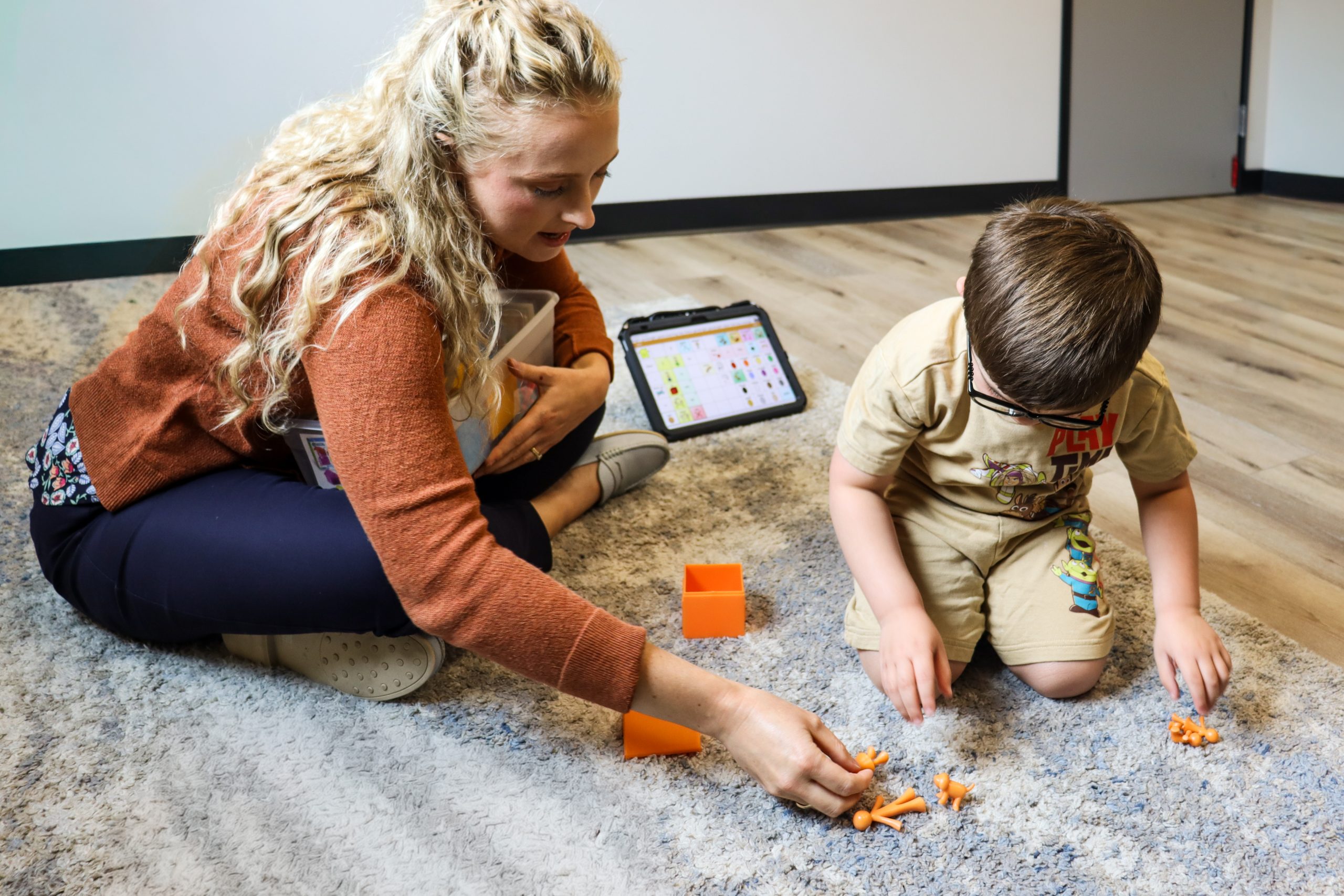
Receptive language refers to the comprehension of language information, including knowledge of vocabulary words and concepts (e.g., under, above, next to), understanding sentence structure (e.g., plural, past-tense verbs), and interpreting nonliteral information (e.g., metaphors, sarcasm).
Receptive Language Skills:
Following directions
Understanding concepts and vocabulary
Remembering the sequence of a story or event
Turn-taking in play and in conversation
These are just a few examples of receptive language skills your child may rely on daily, and it is important to remember that language development can look different depending on a child’s age, environment, and individual pace of growth.
Expressive Language
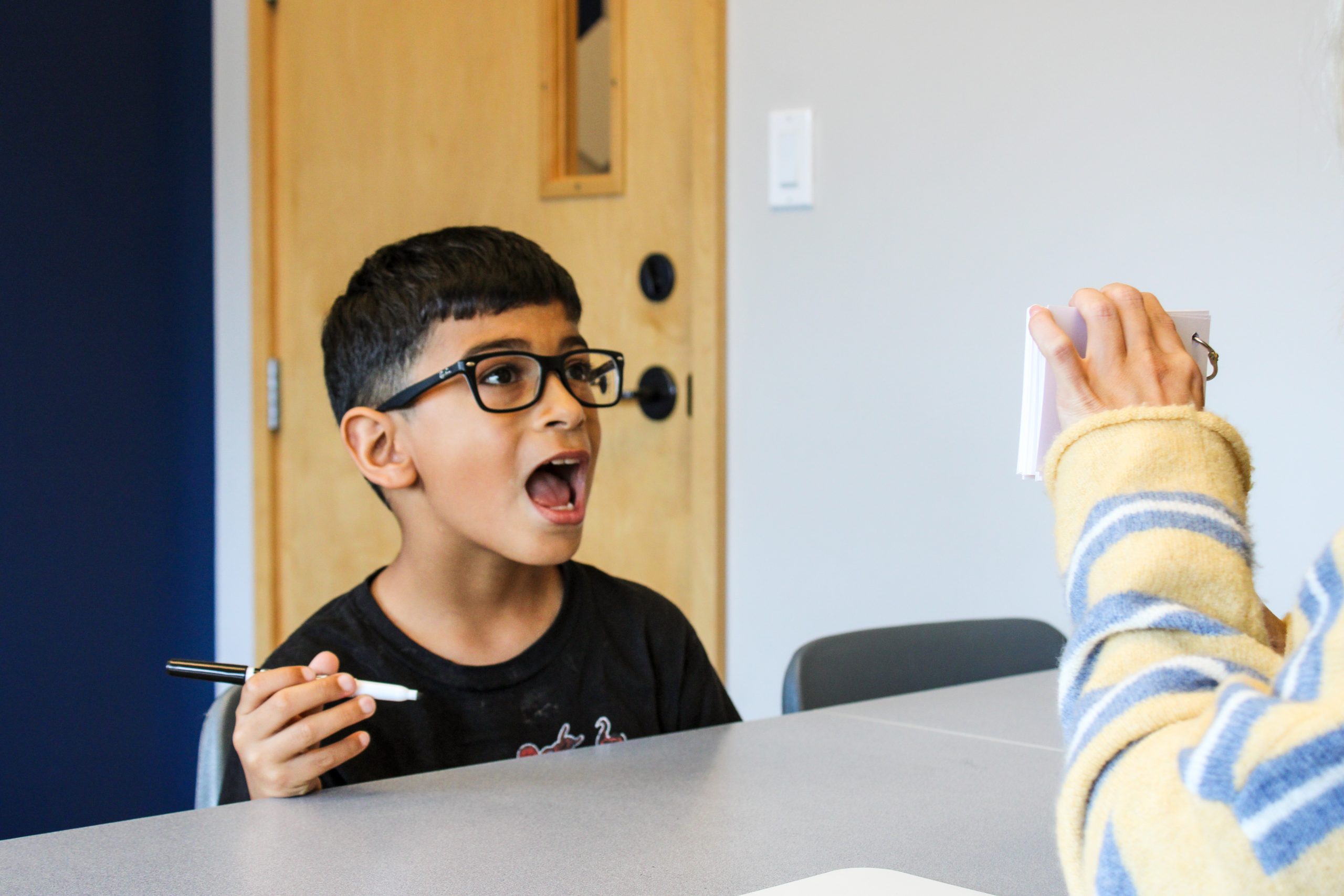
Expressive language refers to the methods and skills a child uses to communicate with others. A child uses cohesive phrases and sentences, gestures and intonation to communicate with others. It is important for children to use age-appropriate vocabulary, grammar, and sentence length to communicate clearly with others.
Expressive Language Skills:
Naming objects
Speaking words and sentences
Asking questions
Keeping conversations going or initiating conversations
Pragmatic Language
Pragmatic language refers to the social skills required to engage appropriately with others, including reading facial expressions and body language, anticipating the responses of others, reading emotions, engaging in conversation, and using eye contact, among other skills. These are important skills for relating to others, getting wants and needs met, being successful in daily interactions, and participating in activities in the community.
Pragmatic Language Skills:
Using eye contact during conversation
Responding to questions from others
Starting and continuing conversations on topic
Interpreting body language, facial expression, and tone of voice
Interpreting sarcasm and inferring unspoken information
How Can Enrichment Therapy & Learning Center Help?
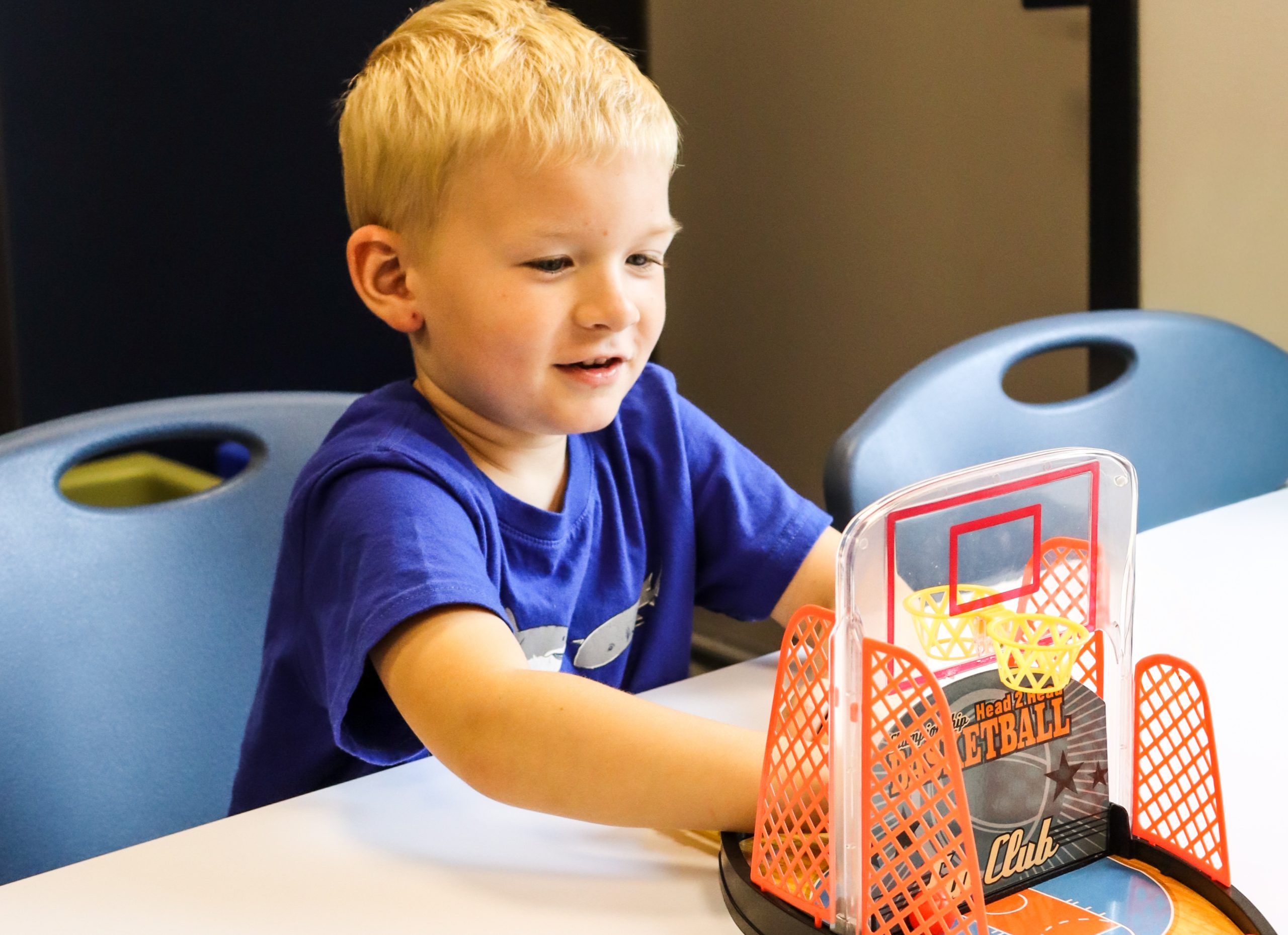
We utilize evidence-based treatment approaches to improve your child’s language deficits. Our language therapy will improve your child’s abilities to clearly express themselves and use age-appropriate vocabulary, grammar, and sentence structure. We support your child’s receptive language skills by increasing understanding and their ability to follow directions.
Since language and social communication often develop hand in hand, some families explore the full range of speech, language, and social skills services to address multiple areas at once.
You will receive one-on-one services that identify the root issue holding your child back, create an individualized treatment plan, and use research-proven approaches to help your child succeed.
How Do I Get Started With Enrichment Therapy & Learning Center?

We start with a conversation to gather background information, discuss questions, and help guide the family toward the best next step, whether that’s a screening, consultation, or formal evaluation.

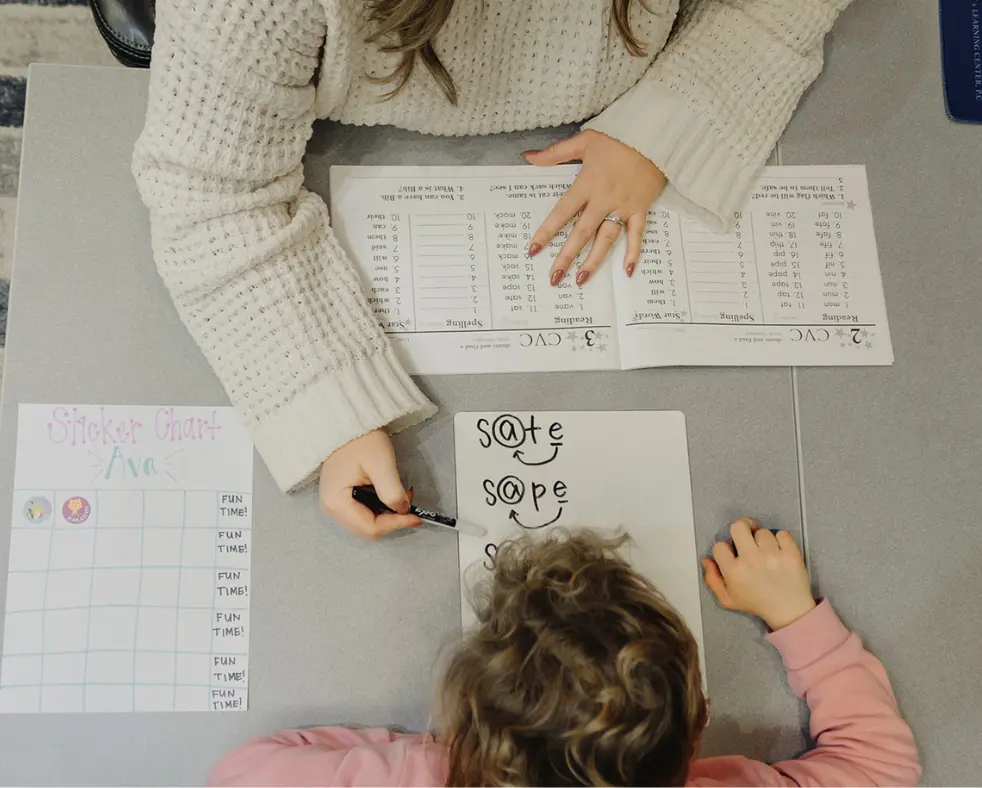

Once scheduled, families complete an online intake to help our team tailor the evaluation to their specific concerns. For specialized assessments related to language development, we walk parents through the expected timeline and the specific areas being tested so there are no surprises.
After the evaluation, a dedicated consultation session is held to review the results and recommendations in detail and give you an opportunity to ask questions and discuss the next steps for your child.

Depending on the provider, our services may be fully covered by your insurance. If an evaluation is not covered by insurance or you have an out-of-network policy, we are very transparent about cost.
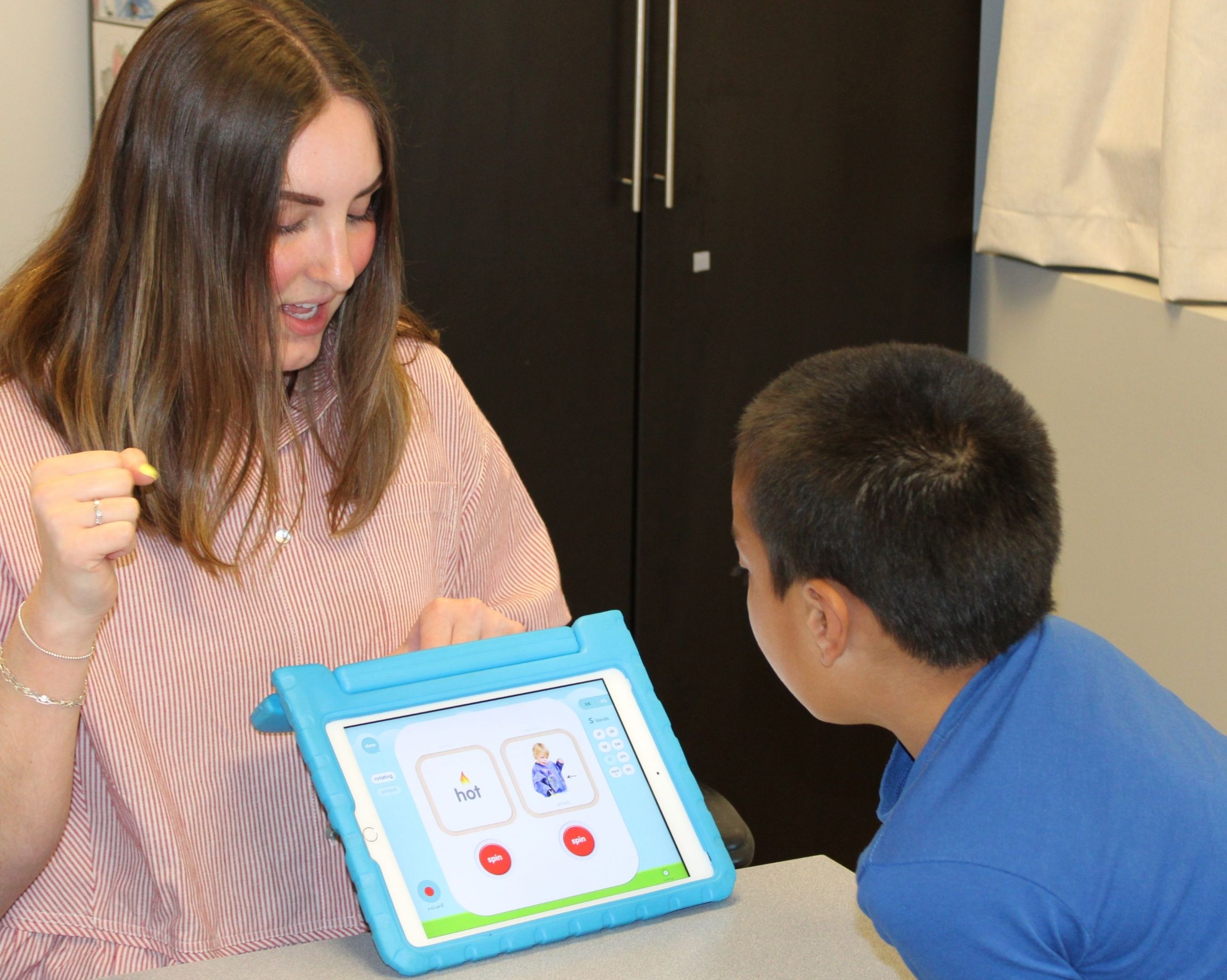
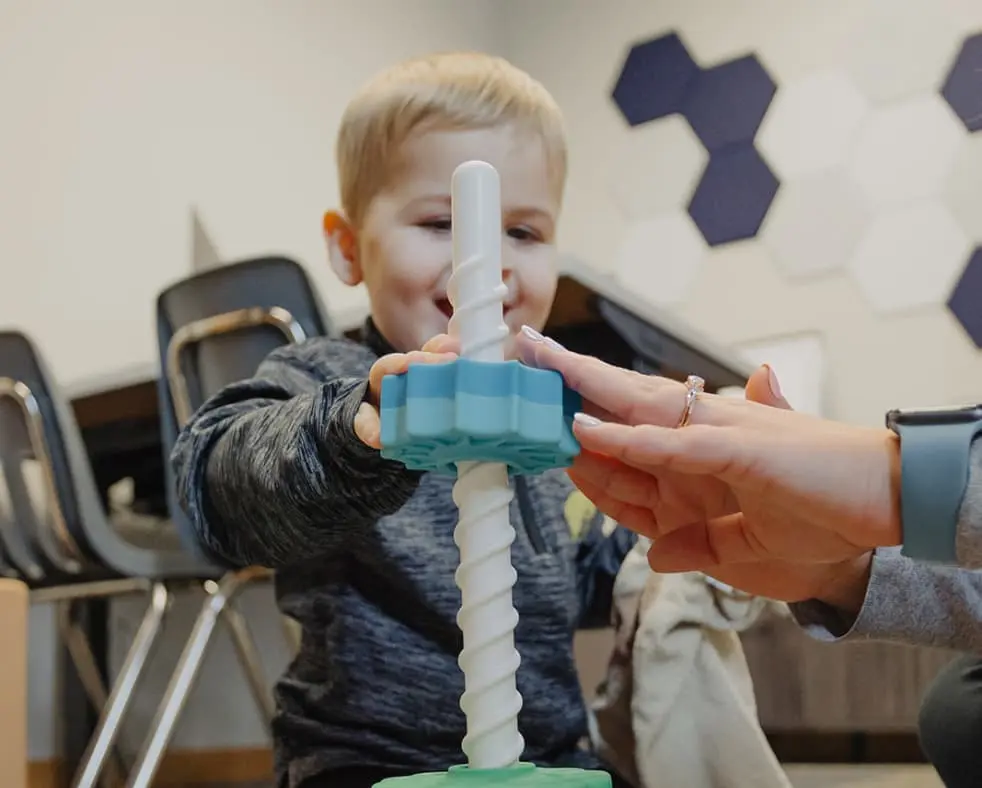

While research shows that intensive, ongoing intervention has the strongest results, most students meet their primary goals within an average of two years.
Why Choose Enrichment Therapy & Learning Center?
At Enrichment Therapy & Learning Center, we believe every child deserves to thrive with their communication and academic skills, and we know you want that too. Our specialists are trained in many research-based programs and strategies to create a plan specific to your child and their unique learning style. Together, we can help your child feel confident and successful!
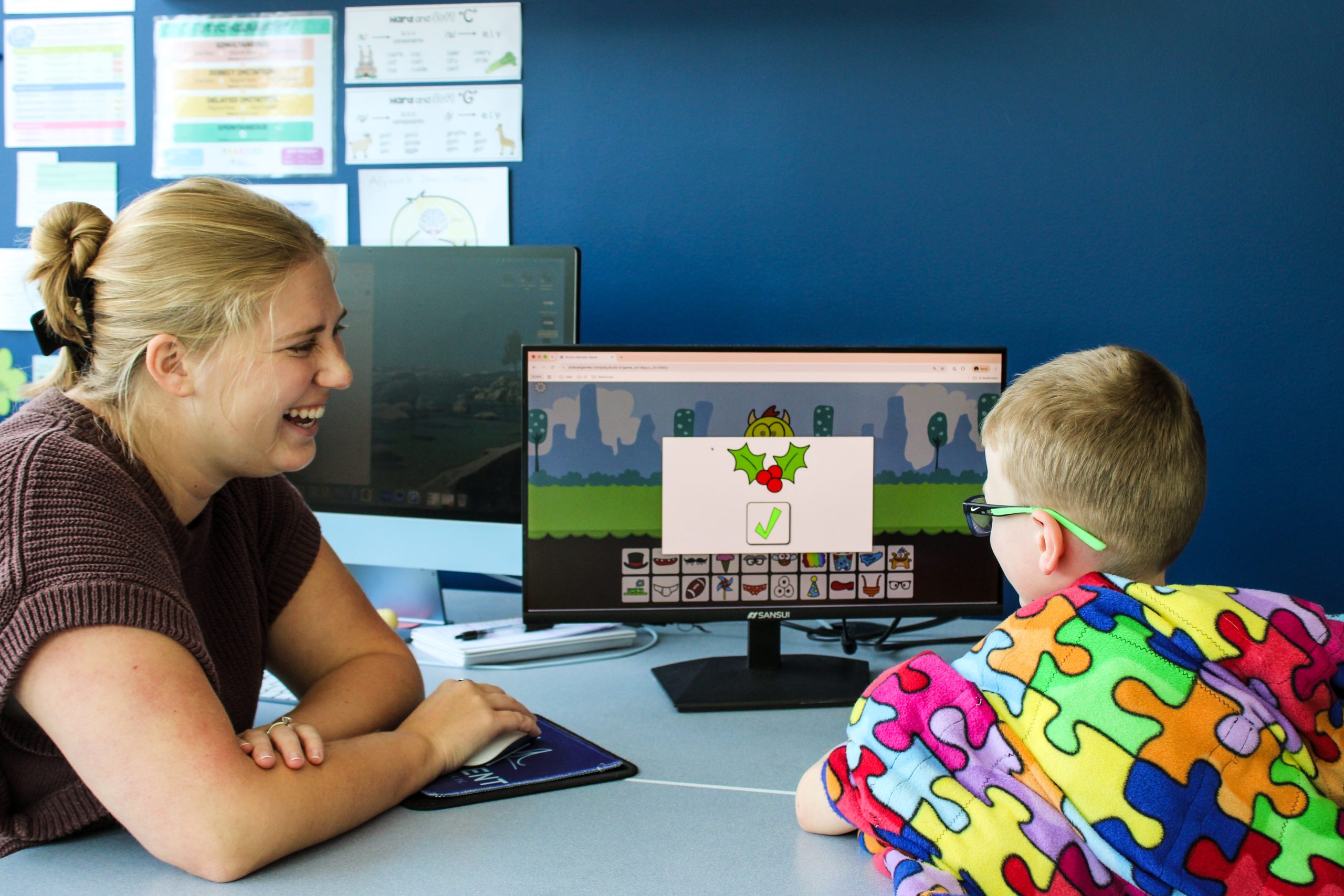
Helping Your Child Communicate with Confidence
Every child deserves the chance to communicate with ease, and that goal drives the work happening every day at Enrichment Therapy & Learning Center. Specialists at ETLC use a range of research-based methods to develop a plan tailored to each child’s learning style, so progress feels within reach.
Clear communication opens doors, at home, in the classroom, and everywhere in between. Reach out and connect with the ETLC team to see how personalized language therapy could help your child find their words.
Frequently Asked Questions
What is a language delay in children?
A language delay happens when a child has trouble understanding or using words, sentences, or conversation compared to what is expected for their age.
How is language delay different from speech delay?
A speech delay affects how a child produces sounds and words, including articulation and speech clarity. A language delay affects how a child understands or uses words, sentences, vocabulary, and concepts to communicate. In simple terms, speech is how words are said, while language involves what words mean and how they are used. A child can have a speech delay, a language delay, or difficulties in both areas.
What are the signs of a language disorder?
Signs of a language disorder can include difficulty understanding directions or questions, learning and using new vocabulary, combining words into sentences, expressing thoughts clearly, or participating in conversations. Children may also have trouble with grammar, answering questions, telling organized stories, reading, or writing. Language disorders can affect receptive language, which is what a child understands, expressive language, which is what a child communicates, or both.
What activities help language development?
Interactive activities that encourage children to listen, talk, describe, and take turns can support language development. Reading together, telling stories, completing puzzles, playing with blocks, and games such as I Spy or 20 Questions provide natural opportunities to practice vocabulary, sentence formation, following directions, categorization, and answering questions. Everyday play can also be used to introduce new words and encourage children to communicate their wants and ideas.
How can I improve my child’s vocabulary?
Build vocabulary by introducing and discussing new words during everyday activities rather than relying only on memorization. While reading or playing, name objects and describe their colors, sizes, shapes, locations, functions, and other characteristics. Games such as I Spy, puzzles, blocks, and storytelling can help children learn new words in context. Repeating new vocabulary and giving your child opportunities to use those words can reinforce their understanding.
How do speech therapists treat language disorders?
Speech-language pathologists first evaluate how a child understands and uses language to identify specific areas of difficulty. Therapy is then individualized to build skills such as vocabulary, sentence formation, following directions, answering questions, comprehension, storytelling, and conversational language. Therapists may use structured exercises as well as play, books, games, and everyday interactions to practice these skills and help children use them more consistently outside of therapy.
Can language delay affect reading later?
Yes. Spoken language provides an important foundation for later reading and academic development. Children who have difficulty understanding vocabulary, sentences, concepts, or the structure of stories may also experience challenges with reading comprehension and written language. Enrichment Therapy & Learning Center notes that narrative language, or the ability to understand and tell organized stories, is strongly connected to reading comprehension and academic success.
Navigation & Contact Information

North Liberty
Call North Liberty
Email North Liberty
Johnston
Call Johnston
Email Johnston
© 2026 Enrichment Therapies. All Rights Reserved