
Social Skills Training for Children in Iowa: Building Connection One Step at a Time
Making friends, reading a room, and knowing when to jump into a conversation come naturally to some kids and feel like a puzzle to others. Enrichment Therapy & Learning Center offers social skills training for kids throughout Iowa, helping children build the tools they need to connect with confidence.
What Are Social Skills?
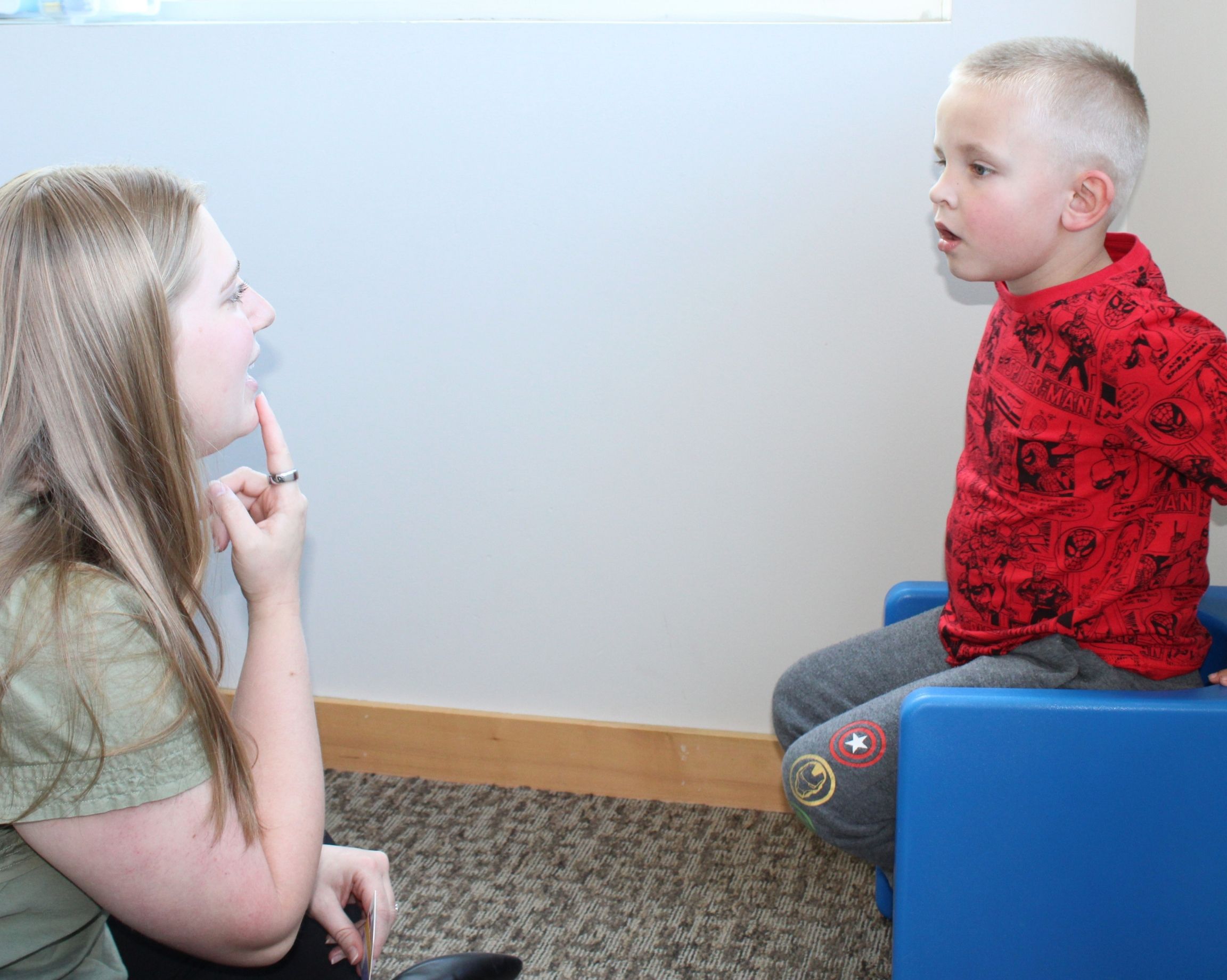
Social skills, sometimes called pragmatic language skills, are what people use to interact and connect with others. These skills range from greeting a friend to knowing when it’s your turn to speak in a conversation. Some social skills are taught directly, like teaching a child to say “thank you”. Others develop naturally through experience, such as noticing when someone has lost interest in what’s being said.
There isn’t a single right way to communicate, but plenty of unwritten social rules shape how interactions go smoothly. Children who haven’t picked up on these patterns yet aren’t doing anything wrong. Some simply need more direct guidance to catch up.
Guidance often starts in the early intervention years, when social awareness first takes shape.
What Can Social Communication Deficits Look Like?
A social communication disorder is characterized by persistent difficulties with social interactions and social understanding or awareness. Deficits with social communication skills may overlap with underlying neurodevelopmental disorders, such as autism spectrum disorder or attention deficit hyperactivity disorder. However, there is no known cause for social communication disorder at this time. In a child who has social communication deficits, you may observe difficulties with the following general social rules:
Knowing how to maintain or change conversational topics appropriately
Repairing communication breakdowns by changing communication style to match the context, setting, or conversation partner
Difficulty with understanding others’ perspectives
Use of nonverbal communication
Picking up on sarcasm or jokes
These are just a few examples of social skills your child may struggle with, and it is important to acknowledge the wide range of social norms expected across individuals, families, and cultures.
How Can ETLC Help?
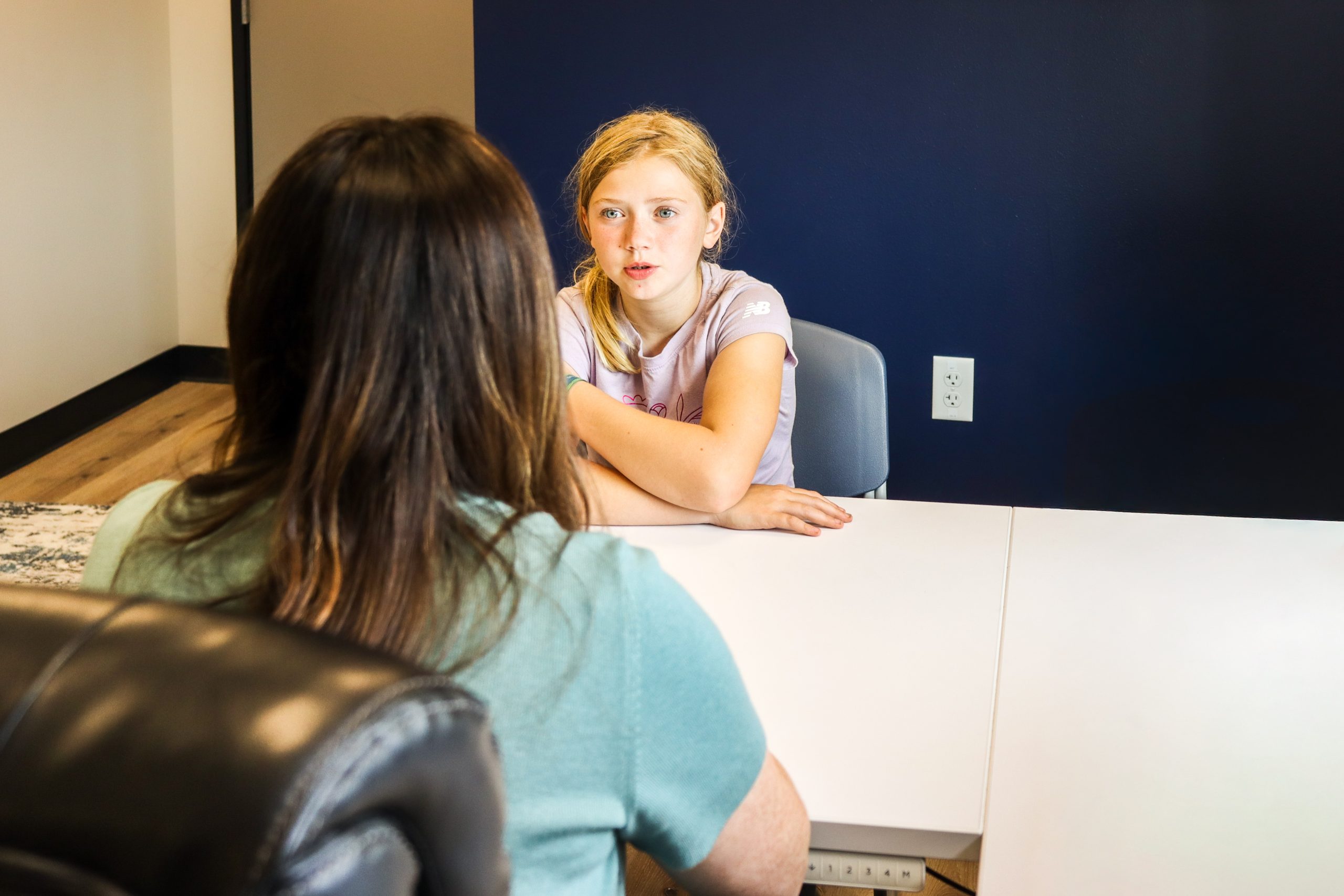
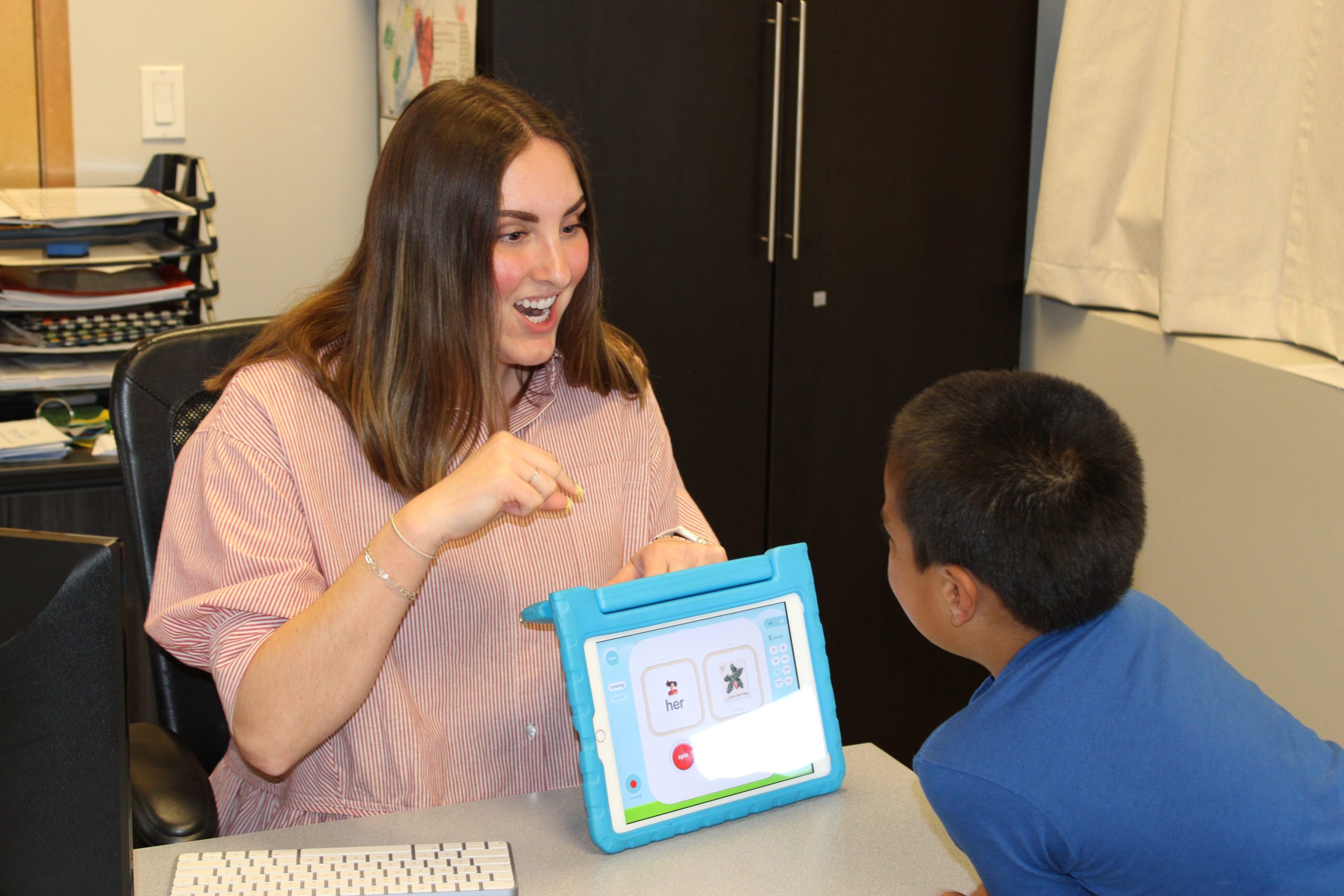
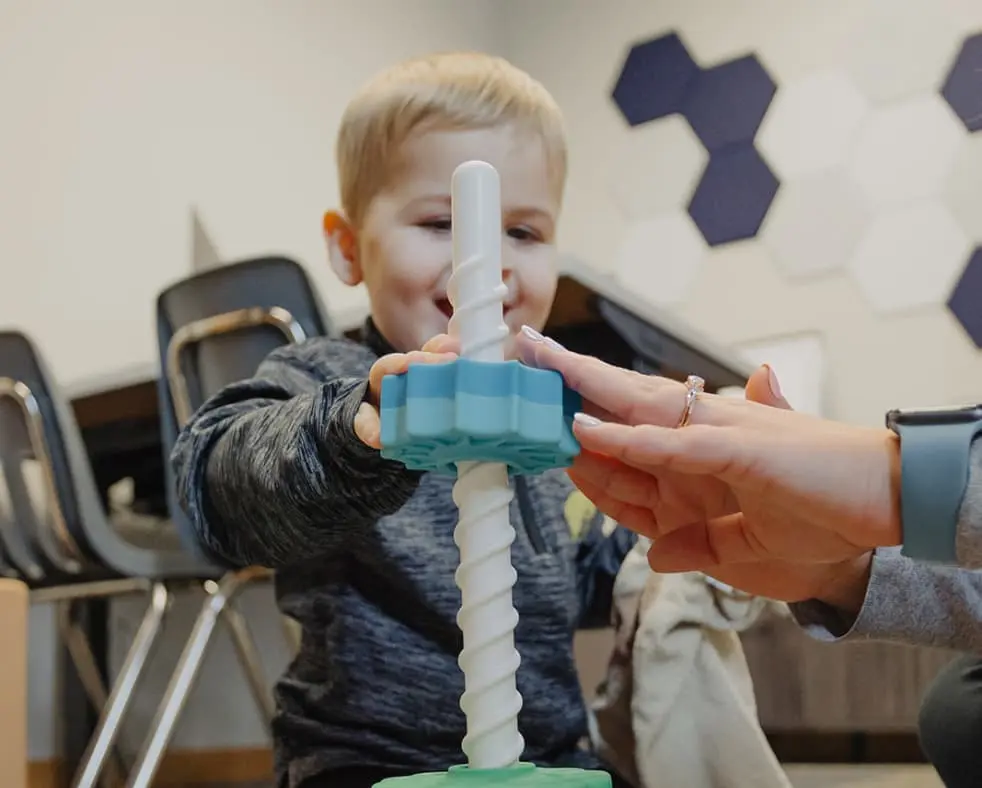
Specialists work directly with children to teach the specific social skills they’re struggling with, then create opportunities to practice those skills in a safe, low-pressure setting. Common targets include emotional regulation, resolving conflict, making friends, and any number of other skills tied to a child’s individual goals.
Social skills training often pairs naturally with other areas of communication development. Some families explore the broader speech, language, and social skills programs available alongside this training. Every plan gets shaped around the child in the room, not a fixed curriculum, so progress reflects what actually matters for that specific kid.
How Do I Get Started With Enrichment Therapy & Learning Center?

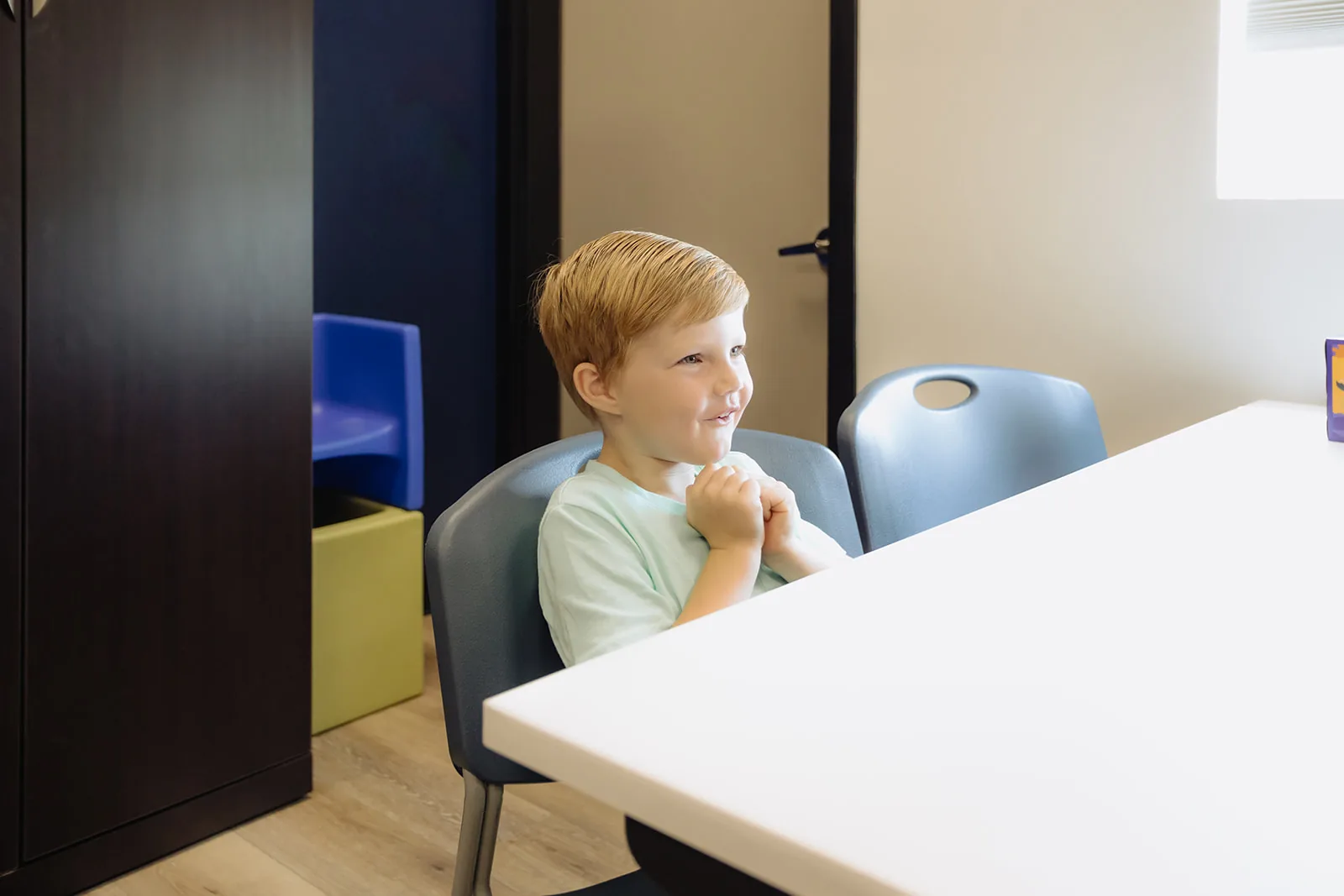
We start with a conversation to gather background information, discuss questions, and help guide the family toward the best next step, whether that’s a screening, consultation, or formal evaluation.

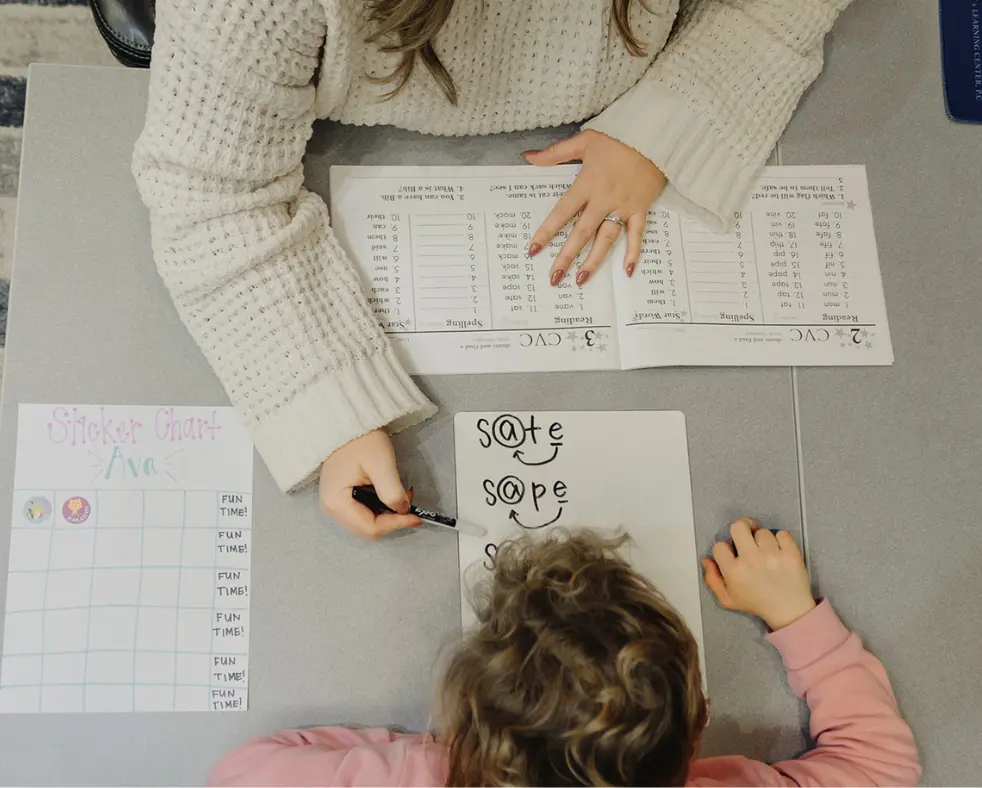

Once scheduled, families complete an online intake to help our team tailor the evaluation to their specific concerns. For specialized assessments related to social skills, we walk parents through the expected timeline and the specific areas being tested so there are no surprises.
After the evaluation, a dedicated consultation session is held to review the results and recommendations in detail and give you an opportunity to ask questions and discuss the next steps for your child.

maintenance, reading others’ social cues, and learning to start and continue conversations.
Depending on the provider, our services may be fully covered by your insurance. If an evaluation is not covered by insurance or you have an out-of-network policy, we are very transparent about cost.

While research shows that intensive, ongoing intervention has the strongest results, most students meet their primary goals within an average of two years.
Why Choose Enrichment Therapy & Learning Center?
At Enrichment Therapy & Learning Center, we believe every child deserves to thrive with their social communication skills, and we know you want that too. Having meaningful personal relationships is so important. Our specialists are trained in many research-based programs and strategies to create a plan specific to your child and their unique learning style. Together, we can help your child feel confident and successful!
Specialists at ETLC train in a range of research-based programs and strategies, then apply that expertise to a plan tailored to each child’s specific needs. Progress often comes gradually, and small victories tend to build real momentum over time.
Helping Kids Connect with Confidence
Friendship and conversation don’t always come easily, but the right guidance can make a lasting difference. Enrichment Therapy & Learning Center brings that guidance to families throughout Iowa. We pair hands-on training with a plan built around each child’s specific needs.
Meaningful connections start with a conversation of their own. Connect with the ETLC team to see what personalized social skills training could look like for your child.
Frequently Asked Questions
At what age should social skills training start?
Social skills training can start as early as preschool. Younger children often respond well to play-based practice, while older kids benefit from more structured conversation and role-play activities.
Is social skills training only for children with autism?
Social skills training is not only for children with autism. Children with ADHD, anxiety, or general shyness can also benefit from direct instruction and guided practice with peers.
How is social skills training different from therapy for shyness?
Shyness often improves with confidence and exposure over time. Social skills deficits involve specific gaps in understanding or using social rules, which typically require direct teaching and practice.
Can social skills improve without formal training?
Some children pick up social skills naturally through everyday experience. Others need explicit instruction to notice and apply the unwritten rules that guide most everyday interactions.
Navigation & Contact Information

North Liberty
Call North Liberty
Email North Liberty
Johnston
Call Johnston
Email Johnston
© 2026 Enrichment Therapies. All Rights Reserved