
Feeding and Swallowing Disorders: Helping Children Eat with Ease in Iowa
Mealtimes should feel simple, but for some families, every bite comes with tension, tears, or worry. Enrichment Therapy & Learning Center works with children across Iowa who struggle with feeding and swallowing. We can help them build safer, more comfortable eating habits one step at a time.
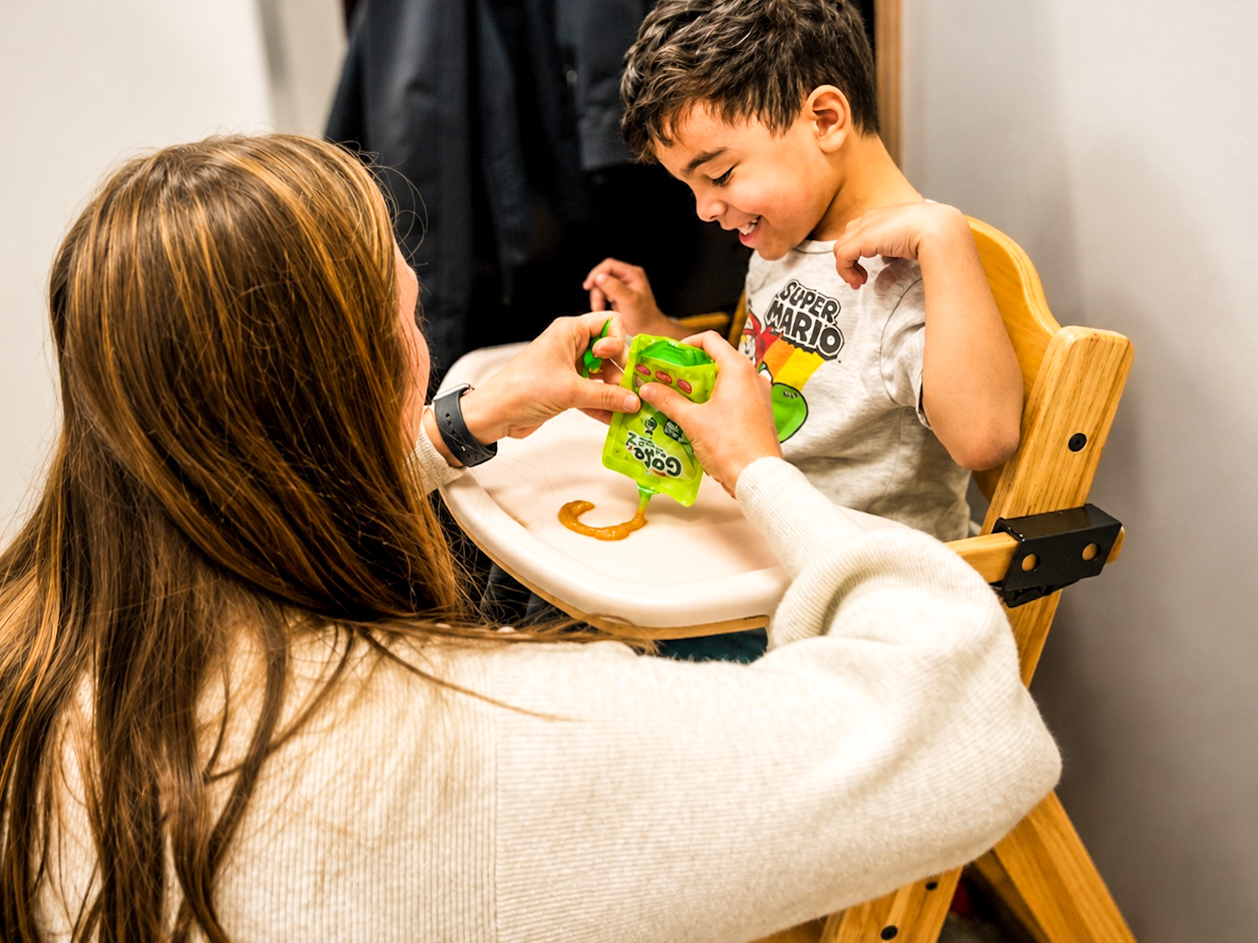
What Is A Feeding And Swallowing Disorder?
Infants and children with feeding and swallowing disorders have trouble eating or drinking normally and safely. Pediatric feeding disorders can involve difficulty sucking, eating from a spoon, chewing, or drinking from a cup. Swallowing disorders, often called dysphagia, involve difficulty moving food or liquid from the mouth or throat down to the stomach.
Some of these challenges surface during infancy, which is why families sometimes first encounter feeding concerns through early intervention services aimed at catching developmental issues before they become bigger obstacles.
What Can Feeding and Swallowing Disorders Look Like?
Feeding and swallowing difficulties look different for everyone and can present at any age. Some common signs and symptoms in children that could indicate intervention is needed include:
Fear or anxiety related to feeding
Picky eating (e.g., fewer than 20 foods)
Not meeting nutritional needs (e.g., losing weight)
Fear or anxiety related to feeding
Difficulty chewing foods
Refusal to try new foods or textures
Negative mealtime behaviors
Gagging, choking, or vomiting
While there may not be a known underlying medical condition, feeding and swallowing difficulties can sometimes result from issues such as gastroesophageal reflux, allergies, or pulmonary disease. Other children may have poor oral motor skills that make it difficult to chew or
swallow food.
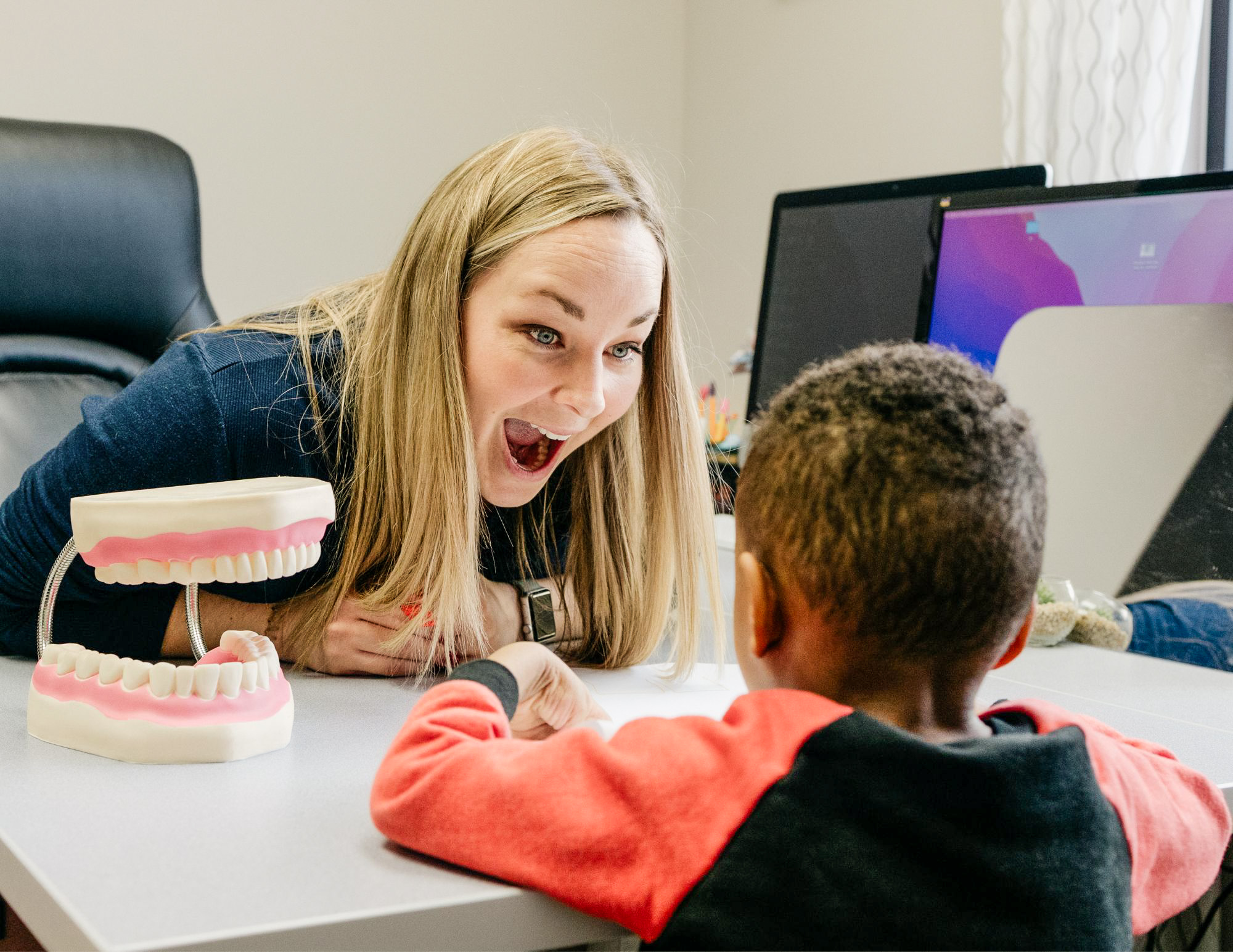
How Can Enrichment Therapy & Learning Center Help?
Feeding and swallowing therapy at ETLC relies on evidence-based techniques to improve oral motor coordination and address sensory needs, all aimed at helping kids swallow safely and tolerate a wider variety of textures. Sessions begin with an individualized evaluation, followed by treatment focused on improving mealtime experiences and gradually expanding a child’s food repertoire.
Since feeding challenges often connect to broader communication and sensory development, some families find it helpful to explore the full range of speech, language, and social skills services alongside feeding therapy.
Working closely with families helps ease the stress tied to feeding. Mealtimes can start to feel less like a battle and more like a shared, positive experience.
How To Get Started

We start with a conversation to gather background information, discuss questions, and help guide the family toward the best next step, whether that’s a screening, consultation, or formal evaluation.



Once scheduled, families complete an online intake to help our team tailor the evaluation to their specific concerns. For specialized assessments related to feeding and swallowing, we walk parents through the expected timeline and the specific areas being tested so there are no surprises.
After the evaluation, a dedicated consultation session is held to review the results and recommendations in detail and give you an opportunity to ask questions and discuss the next steps for your child.

Depending on the provider, our services may be fully covered by your insurance. If an evaluation is not covered by insurance or you have an out-of-network policy, we are very transparent about cost.
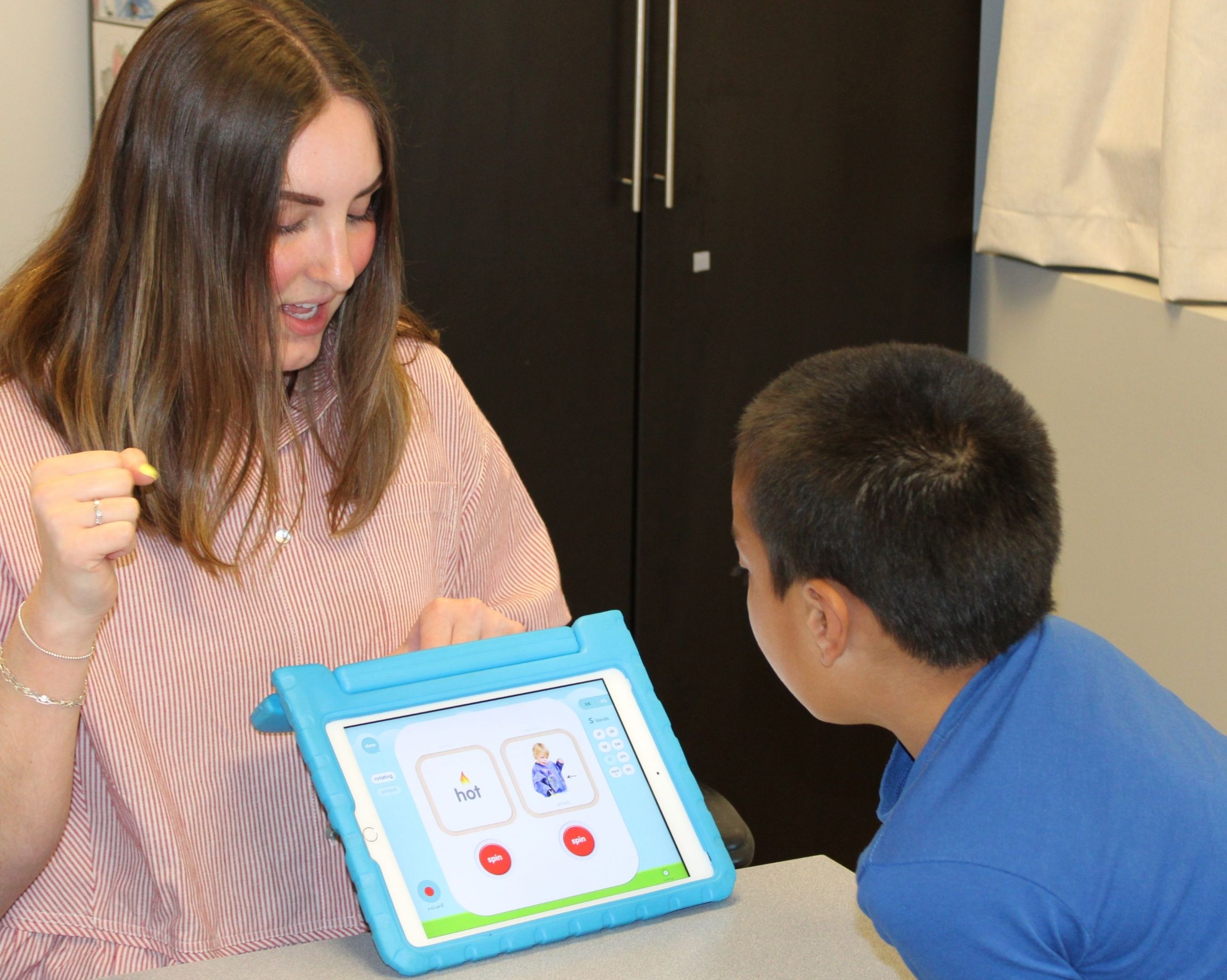
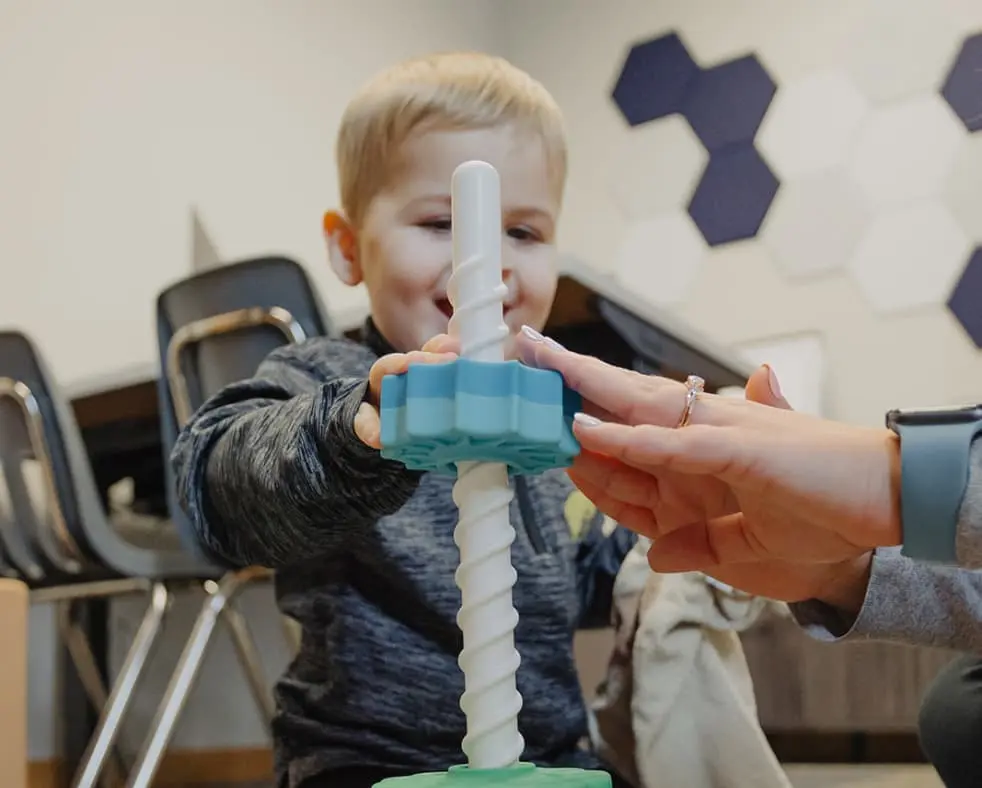

While research shows that intensive, ongoing intervention has the strongest results, most students meet their primary goals within an average of two years.
Why Choose Enrichment Therapy & Learning Center?
Enrichment Therapy & Learning Center creates individualized programs designed to close the gap between mealtime frustration and everyday success. Feeding and swallowing deficits can affect far more than nutrition, touching a child’s comfort, confidence, and overall well-being.
Specialists at ETLC train in a range of research-based programs and strategies, then apply that expertise to a plan tailored to each child’s specific needs and eating patterns. Progress often comes gradually, and small victories at the table tend to build real momentum over time.

Making Mealtime Something to Look Forward To
Feeding and swallowing struggles rarely resolve without guidance. However, the right combination of therapy and support can make stressful mealtimes far more manageable. Enrichment Therapy & Learning Center brings that support to families throughout Iowa, pairing hands-on therapy with a plan built around each child’s needs.
Calmer mealtimes and safer eating habits start with a conversation. Connect with the ETLC team to see what personalized feeding and swallowing therapy could look like for your child.
Frequently Asked Questions
At what age should feeding concerns be evaluated?
Feeding concerns can be evaluated at any age, including infancy. Early evaluation often prevents nutritional gaps and helps build safer eating habits before mealtime struggles become more entrenched.
Is picky eating the same as a feeding disorder?
Not quite…though the line can blur. Picky eating is common and developmental: a child may refuse new foods or favor a small rotation of familiar ones, but they’re still eating enough variety and volume to grow well, and mealtimes aren’t a constant struggle. It often improves on its own with patience and gentle exposure.
A feeding disorder is more persistent and significant. It usually involves things like poor weight gain, a very narrow list of accepted foods, gagging or vomiting with certain textures, oral-motor or swallowing difficulties, or mealtimes that are so stressful they affect the whole family. These situations typically need support from a feeding therapist to make safe progress. In short: picky eating is a preference issue, while a feeding disorder gets in the way of a child eating enough to support their growth and health — and if a parent isn’t sure which they’re seeing, that’s usually reason enough to get it evaluated.
Can feeding therapy help with texture aversions?
Yes, texture aversions are one of the things feeding therapy addresses most often. Many kids with sensory based feeding difficulties gag, refuse, or push away foods with certain textures (mixed textures, mushy foods, or anything unfamiliar in the mouth), and a feeding therapist works on desensitizing that response gradually rather than pushing the child to just “get used to it.” That usually means structured, low pressure exposure, like touching, smelling, and playing with a food before ever being asked to taste it, paired with oral motor exercises that build the chewing and tongue control skills needed to manage new textures comfortably.
Progress is typically slow and incremental, moving through small steps (puree to slightly thicker puree to soft solids) rather than jumping straight to the hardest textures, and it works best when the approach stays consistent between therapy sessions and home meals. Most kids do see real improvement, though the timeline varies depending on how entrenched the aversion is and whether other sensory or oral motor factors are involved.
Does reflux affect feeding development?
Yes, reflux can have a real impact on feeding development, especially when it isn’t caught or managed early. Babies and young children who experience frequent reflux often start to associate eating with discomfort or pain, which can lead them to eat less, refuse the bottle or breast, arch away during meals, or become anxious around feeding times altogether. Over time, that association can shape long term eating habits even after the reflux itself is treated or resolved, since the child has learned to be wary of the feeding experience.
Reflux can also interfere with the physical side of feeding development. Frequent spit up or discomfort may disrupt a child’s ability to practice and build oral motor skills at the typical pace, and some kids develop a limited range of accepted foods or textures as a way of avoiding whatever seems to trigger symptoms. This is why feeding therapists often work closely with a child’s pediatrician or GI specialist when reflux is part of the picture, addressing the medical side alongside the behavioral and sensory patterns that built up around it, so both the cause and the learned feeding habits get treated together.
How do I know if my child needs a swallow study?
A swallow study is usually recommended when there are signs that food or liquid might not be moving safely through the mouth and throat, rather than just signs of picky eating or mild texture issues. The most common red flags are frequent coughing, choking, or gagging during meals, a wet or gurgly sounding voice during or after eating, recurrent respiratory infections or pneumonia that don’t have another clear cause, and noticeable difficulty coordinating sucking, swallowing, and breathing in infants. Other signs include long feeding times, significant food or liquid refusal tied to fear rather than preference, weight loss or poor growth despite adequate intake attempts, and visible distress like watery eyes, color changes, or breath holding during swallows.
Navigation & Contact Information

North Liberty
Call North Liberty
Email North Liberty
Johnston
Call Johnston
Email Johnston
© 2026 Enrichment Therapies. All Rights Reserved