
Executive Functioning Support for Children in Iowa
Homework battles, lost assignments and daily meltdowns often point to something deeper than a lack of effort. Many of these struggles trace back to executive functioning, the set of brain-based skills that help students plan, organize, and manage their time.
Enrichment Therapy & Learning Center works with families across Iowa to strengthen these skills through individualized, one-on-one therapy based around each child’s needs.

What Is Executive Functioning?
Executive functioning refers to the brain’s management system. These are the mental skills that allow children to learn, complete tasks, and handle the demands of daily life. These may include planning ahead, starting projects, staying organized, and following through until the job is done.
Adult-level organization is not something to expect from a young child, but there are still important developmental markers to watch for along the way. Parents who have received a diagnosis, or suspect something resembling ADHD or persistent trouble staying on task, can turn to the speech-language pathologists at ETLC for guidance.
Some families notice these signs early on, sometimes as far back as the early language years, when foundational attention and self-regulation skills first begin to take shape. Reaching out for an initial screening is often the simplest way to figure out the next best step for a child.
What Can An Executive Functioning Disorder Look Like?
Problems with executive function can present differently for each person. Common symptoms associated with an executive functioning disorder include:
Difficulty starting, prioritizing, or completing tasks
Difficulty with focusing, maintaining attention, or shifting attention
Difficulty organizing their thoughts
Difficulty with time management
Difficulty with working memory
Some children may have challenges with organization in school, remembering instructions, or completing independent work. Following a schedule, prioritizing, and managing time may be hard, too. Students may have difficulty with impulse control and managing their emotions if they are struggling with executive functioning.

How Can Enrichment Therapy & Learning Center Help?
Our executive function therapy will improve your child’s ability to self-regulate their day. We will create goals to improve attention, cognitive flexibility, time sense, organization, working memory, and understanding and managing emotions.
How To Get Started

We start with a conversation to gather background information, discuss questions, and help guide the family toward the best next step, whether that’s a screening, consultation, or formal evaluation.

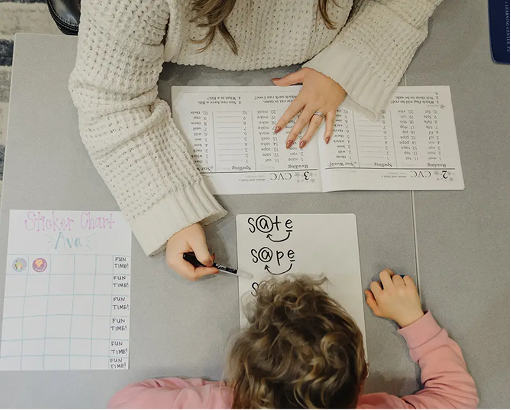

Once scheduled, families complete an online intake to help our team tailor the evaluation to their specific concerns. For specialized assessments related to executive functioning, we walk parents through the expected timeline and the specific areas being tested so there are no surprises.
After the evaluation, a dedicated consultation session is held to review the results and recommendations in detail and give you an opportunity to ask questions and discuss the next steps for your child.

Depending on the provider, our services may be fully covered by your insurance. If an evaluation is not covered by insurance or you have an out-of-network policy, we are very transparent about cost.
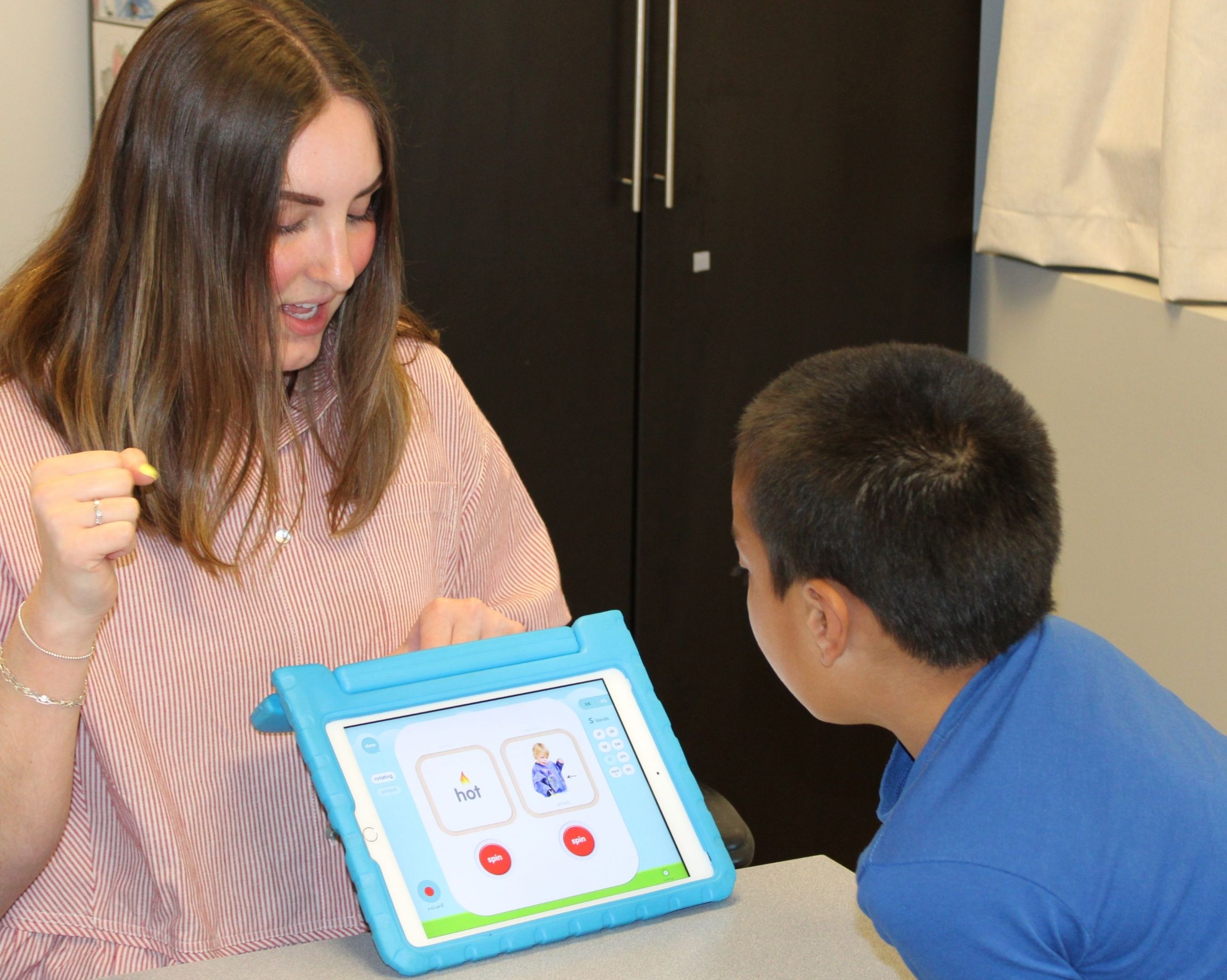
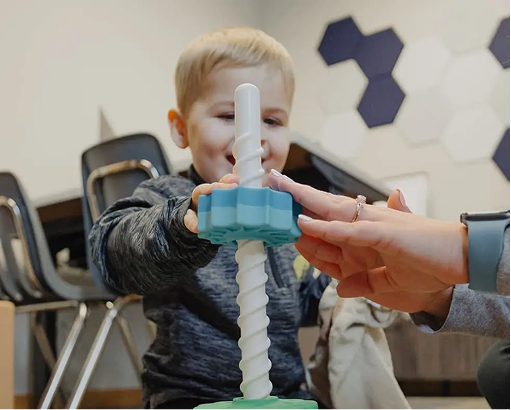

While research shows that intensive, ongoing intervention has the strongest results, most students meet their primary goals within an average of two years.
Why Choose Enrichment Therapy & Learning Center?
At Enrichment Therapy & Learning Center, we believe every child deserves to thrive with their communication and academic skills, and we know you want that too.
Our specialists are trained in many research-based programs and strategies to create a plan specific to your child and their unique learning style. Together, we can help your child feel confident and successful!

A Partner in Your Child’s Communication Journey
Every child deserves the chance to express themselves and connect with the people around them. Enrichment Therapy & Learning Center exists to help make that happen through individualized care, family involvement, and research-based methods. Reach out today and take the first step toward helping your child find their voice.
Frequently Asked Questions
What are executive functioning skills in children?
Executive functioning skills in children refer to a group of cognitive processes that allow students to manage their thoughts, actions, and emotions to achieve goals. These skills include:
- Working memory (remembering instructions)
- Cognitive flexibility (switching between tasks)
- Inhibitory control (self-control and impulse regulation)
These skills are essential for school success, including completing homework, following directions, staying organized, and managing frustration. Executive functioning develops over time, with the brain’s prefrontal cortex continuing to mature into early adulthood.
Children with strong executive functioning skills are better able to plan ahead, stay on task, and problem-solve, while those with challenges may struggle academically and behaviorally.
What are the signs of executive function difficulties in children?
Signs of executive function difficulties can include trouble organizing schoolwork or belongings, forgetting instructions or assignments, difficulty starting or completing tasks, poor time management, and trouble following multi-step directions. Children may also become easily overwhelmed, struggle to maintain or shift their attention, act impulsively, or have difficulty managing their emotions.
How can I help my child stay organized with schoolwork?
Create consistent routines and give your child simple tools that make organization easier. Use a planner or visual schedule, create daily checklists, color-code folders and notebooks by subject, and break larger assignments into smaller steps. Setting aside the same time and a quiet place for homework each day can also make it easier for your child to get started and stay on track.
What strategies help children with executive function challenges?
Helpful strategies include breaking tasks into manageable steps, using checklists and visual schedules, setting timers, giving clear step-by-step directions, and teaching children how to prioritize tasks. Parents can also encourage children to plan before beginning a task and review how it went afterward. These skills often need to be explicitly taught, modeled, and practiced before children can use them independently.
When should a child be evaluated for executive function difficulties?
Consider seeking an evaluation when difficulties with organization, attention, planning, memory, task completion, or emotional regulation are persistent and begin interfering with your child’s success at school or home. An evaluation can be especially helpful when your child continues to struggle despite consistent routines and support. Enrichment Therapy & Learning Center notes that a speech-language pathologist can assess relevant language and executive functioning skills and may recommend additional psychological testing when attention-related concerns are suspected.
Navigation & Contact Information

North Liberty
Call North Liberty
Email North Liberty
Johnston
Call Johnston
Email Johnston

© 2026 Enrichment Therapies. All Rights Reserved