
Early Intervention for Johnston, North Liberty & Beyond
The first few years of a child’s life hold enormous potential for growth, especially when it comes to communication. Early intervention gives young children in Johnston and North Liberty the tools they need to catch up on speech, language, and social milestones before starting school.
At Enrichment Therapy & Learning Center, families find a team that treats each child’s progress like a shared goal.

What Is Early Intervention?
Early intervention is specialized help for infants and young children showing delays in speech, language, or social interaction. These early years mark a period of rapid brain growth, making this window valuable for building new skills. Children who receive help during this stage often build communication tools that carry into preschool, kindergarten, and beyond.
The team works with toddlers and preschoolers on first words, turn-taking in conversation, and everyday social exchanges. Speech-language pathologists and learning specialists at Enrichment Therapy & Learning Center guide each session. Families can learn more about the speech, language, and social skills programs offered here.
How Can Enrichment Therapy & Learning Center Help?
Young children learn best through play, and early intervention sessions build on that natural instinct. Individualized strategies, parent coaching, and structured play-based activities work together to give each child a foundation for lasting communication skills.
Starting early can help families:
Address delays before they affect school readiness
Reduce frustration tied to communication gaps
Build routines that carry over into daily life at home
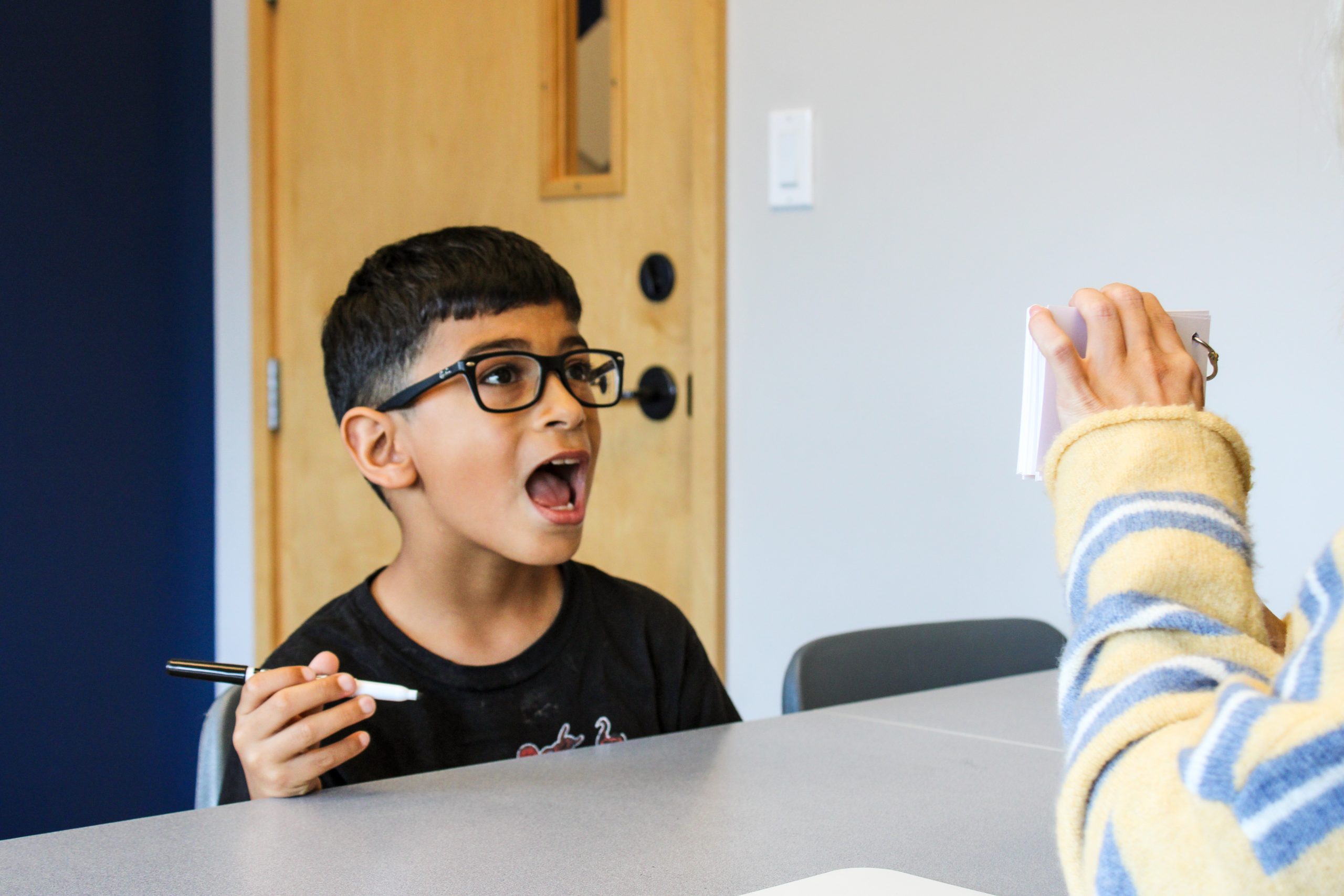
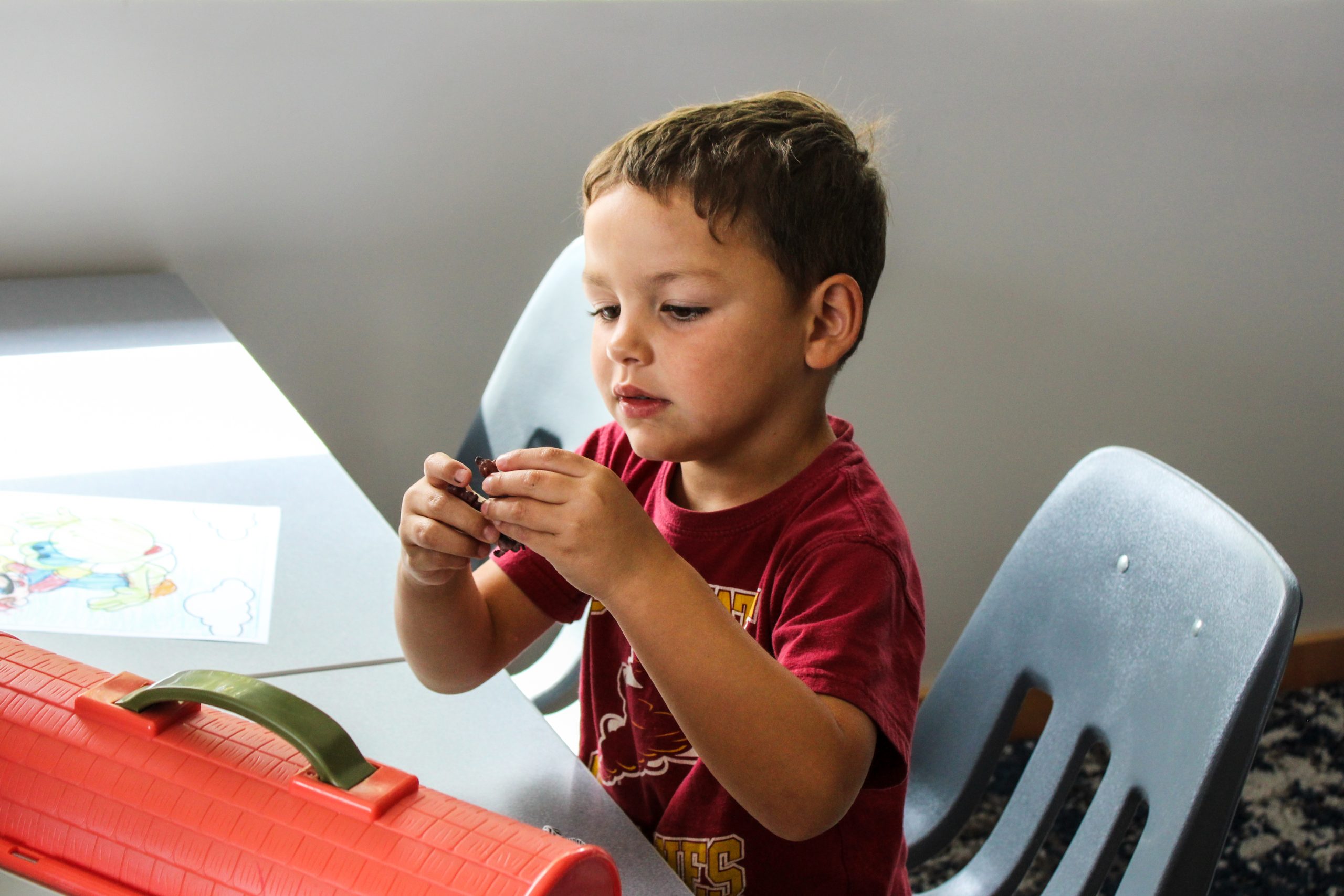
Early Intervention services at Enrichment Therapy & Learning Center take place in person at the North Liberty and Johnston offices, where children work one-on-one with speech-language pathologists and learning specialists in a warm, comfortable space.
Signs to Watch For at Home
Parents often notice small changes before a formal diagnosis ever happens. Trusting that instinct matters, and a brief consultation with our team offers clarity around next steps. Common signs worth exploring include:
Gestures are used more than words
Following directions is a struggle
Play skills are lacking or not apparent
Eye contact seems difficult
Vocabulary seems to be falling behind
Catching these signals sooner opens the door to meaningful progress during a stage when the brain adapts quickly to new learning.
Building Skills That Last
Progress made during early intervention rarely stays confined to the therapy room. Our specialists design each plan around goals that matter at home, not just in a clinical setting. Skills practiced during sessions tend to carry into everyday moments, including:
Expressing needs and wants clearly
Following simple directions
Turn-taking during conversations
Engaging with siblings and peers during play
Children gain tools they can use immediately, and families gain strategies that keep reinforcing those tools long after a session ends. This approach helps young learners build habits that support future growth, setting a foundation that continues paying off well into preschool and beyond.
How To Get Started

1. Start The Conversation
The first step is to reach out if you have a concern. Our intake process is designed to help families feel comfortable while also helping us understand the child’s needs.
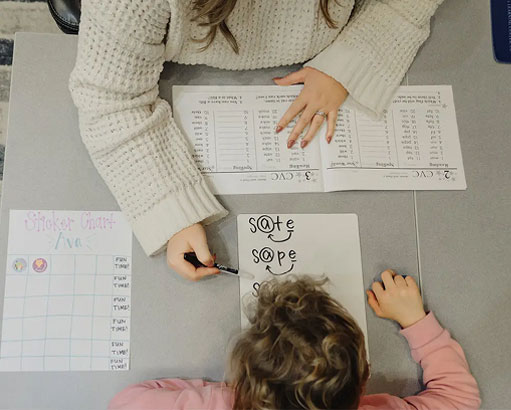
We start with a conversation to gather background information, discuss questions, and help guide the family toward the best next step, whether that’s a screening, consultation, or formal evaluation.


2. Schedule a Consultation
Once scheduled, families complete an online intake to help our team tailor the evaluation to their specific concerns. We walk parents through the expected timeline and the specific areas being tested so there are no surprises.
After the evaluation, a dedicated consultation session is held to review the results and recommendations in detail and give you an opportunity to ask questions and discuss the next steps for your child.

3. Receive an Individualized Plan
Your child receives a custom treatment plan with specific, measurable goals based on their unique learning style.
Depending on the provider, our services may be fully covered by your insurance. If an evaluation is not covered by insurance or you have an out-of-network policy, we are very transparent about cost.

4. Watch Your Child Thrive
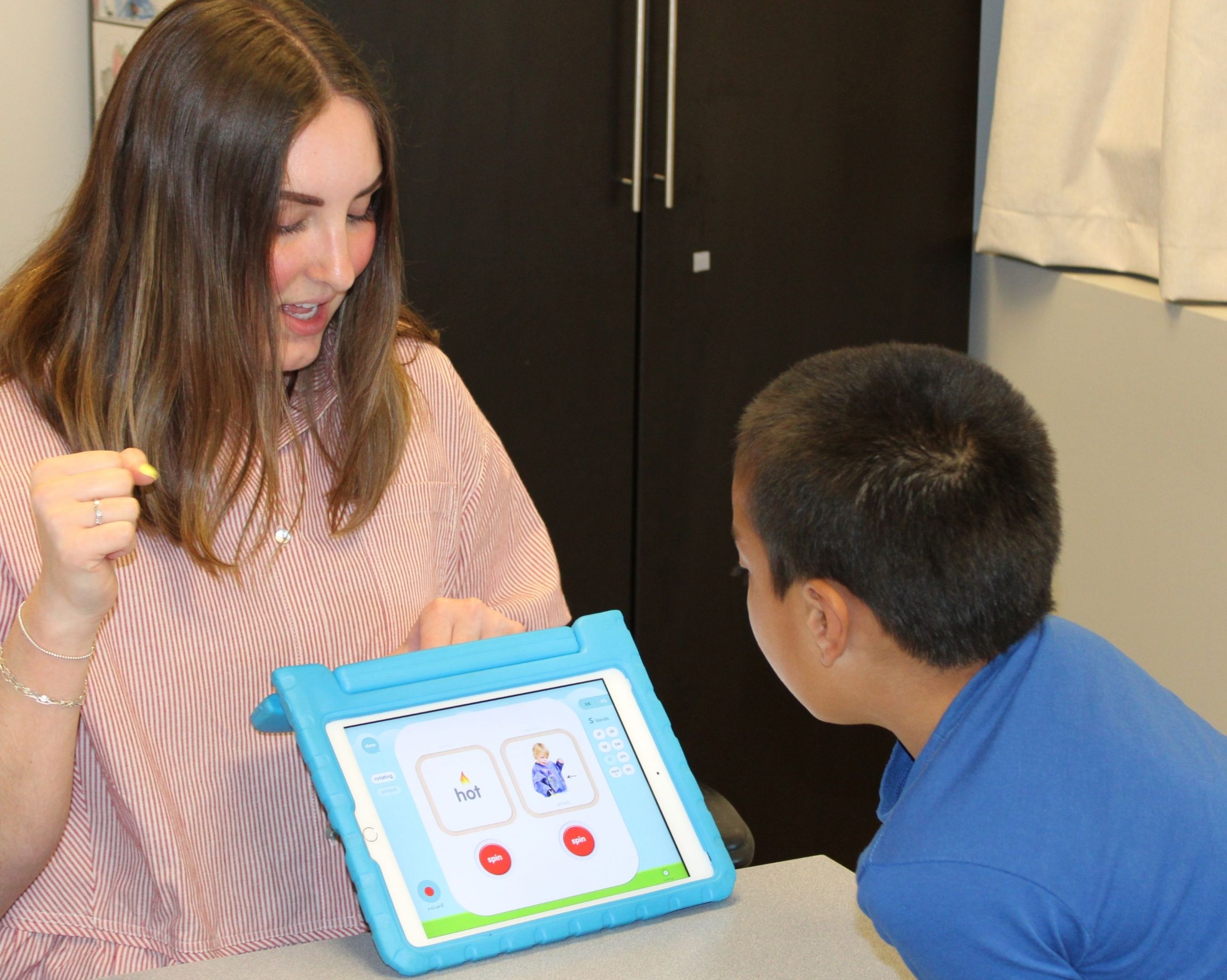
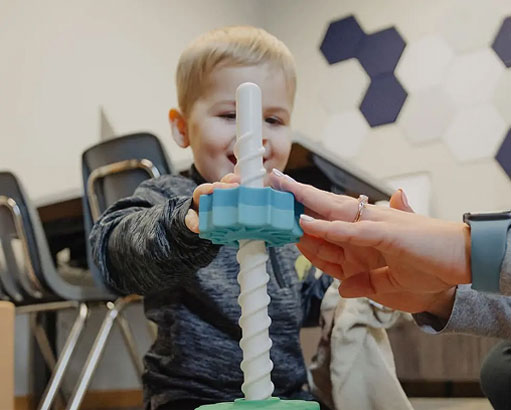
Through personalized one-on-one sessions, we help your child bridge developmental gaps and build confidence. Because every child presents differently, our support is highly individualized, and the duration of treatment is determined by your child’s age, their specific challenges, and their progress.
While research shows that intensive, ongoing intervention has the strongest results, most children meet their primary goals within an average of two years.
Why Choose ETLC?
Families choose Enrichment Therapy & Learning Center because every child deserves the chance to grow their communication skills, and early help makes a lasting difference. The team values the opportunity to build foundational skills that set children up for success in school and beyond. Specialists train in multiple research-based programs and adjust each plan to match a child’s unique learning style.
Older children sometimes benefit from continued academic help through tutoring services, creating a steady path of learning as they grow.
Give Your Child a Head Start on Communication
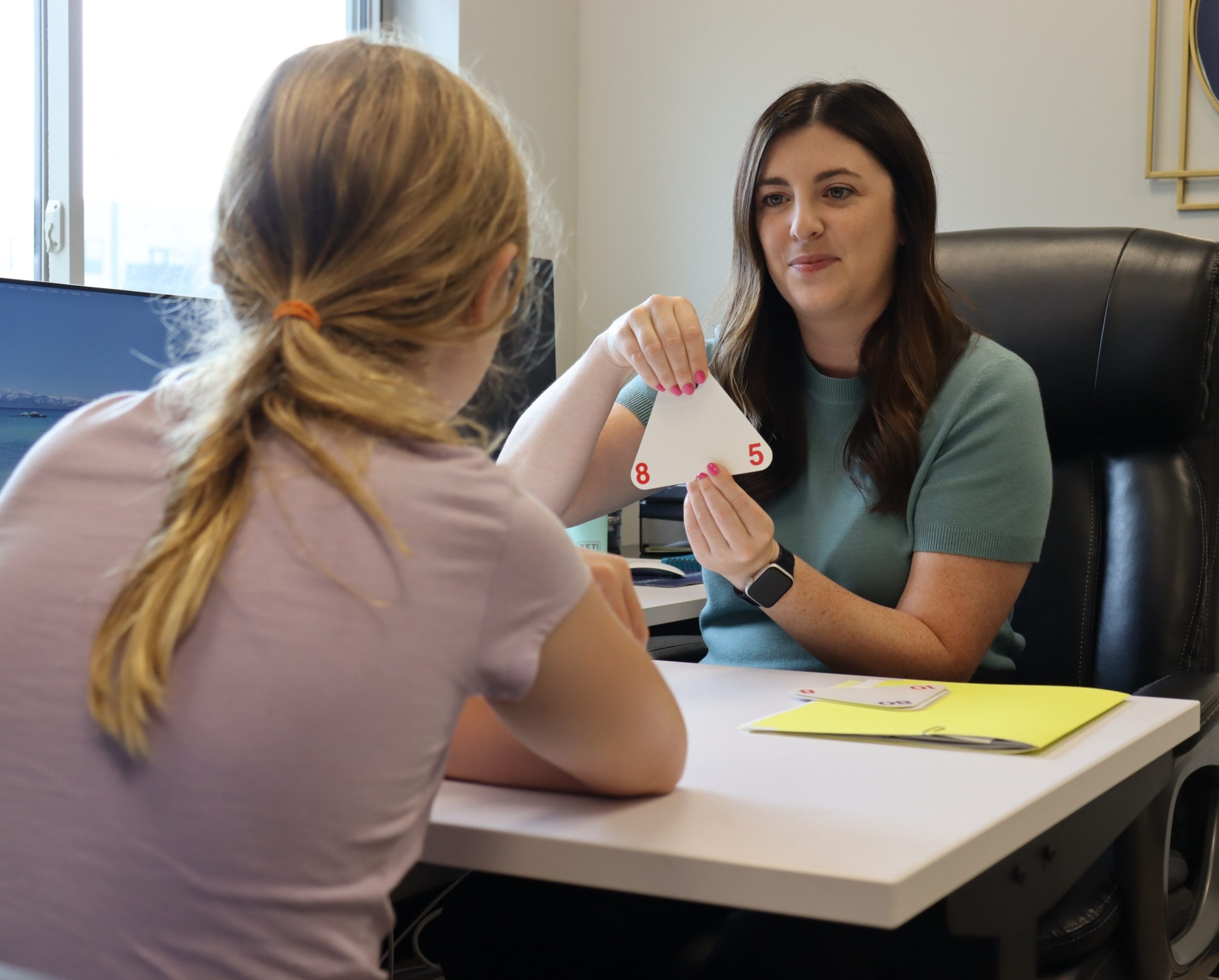
Early intervention works best when it starts as soon as concerns arise, and Enrichment Therapy & Learning Center is ready to walk alongside your family through that process. Reach out today to schedule a consultation and give your child the early help they deserve.
Frequently Asked Questions
1. What age should a child start early intervention?
Most children begin between birth and age three, when concerns about speech, language, or social skills first appear. Starting during this window gives the best chance to build strong communication habits before school age.
2. How do I know if my child needs early intervention?
Signs include limited babbling, few words by age two, trouble following simple directions, or minimal interest in social interaction. A consultation with our team can help clarify whether services would benefit your child.
3. What happens during an early intervention session?
Sessions blend play with structured activities targeting speech, language, and social goals. Our specialists use games, songs, and everyday routines to keep learning natural and enjoyable for young children.
4. Do parents participate in early intervention therapy?
Yes, parent coaching plays a large role in our approach. Families learn strategies to reinforce communication skills at home, extending progress beyond scheduled sessions and into daily routines.
5. How long does early intervention therapy typically last?
Length varies based on each child’s needs and goals. Our specialists reassess progress regularly and adjust the plan, with some children graduating within months and others continuing longer term.